These 47 shops are rated 4.2 or higher on Google Maps and have a specialty we could verify. Pick one near the rest of your plans, then check today’s hours.
Editorial illustration · AI-assisted, not evidence of a shop, product, or live stock
47shops
32cities
5ice styles
Sources reviewed · Aug 18, 2026
JAPAN ICE MAP
See Japan’s ice culture on one map.
Move from Hokkaido dairy to Tokyo gelato and the fruit-led shops of Kyushu and Okinawa. Tap any pin for the useful details and exact directions.
47shops
32cities
Opening the Japan ice map
◎Tap a number to move directly to that shop card. Pins show each shop’s immediate area; the navigation link opens directions to that shop.
EDITOR'S READ
Japan rewards regional context and specialist craft.
Tea, dairy, fruit, gelato, and local frozen sweets represent different reasons to travel. ICE MAP does not reduce Japan to matcha and milk: every published stop must show a defensible connection to an ingredient, a method, or the culture of its city.
How to fit it into one day
Tie the stop to the city and rail route you already have: build a tea-and-wagashi window in Kyoto, favor dairy or farm ingredients in Hokkaido and Tohoku, and choose Tokyo by neighborhood rather than a citywide score. Keep only one stop that may require a queue or timed ticket in the day.
Make the final call at the shop
First identify the shop format: street specialist, department-store counter, or limited attraction outlet. Read today’s flavor board at a specialist, confirm the floor and last order in a department store, and put ticket or sellout rules ahead of flavor at a limited outlet. With room for one item, choose the signature that can name its origin or method rather than spending the stop on a generic bar sold nationwide.
What this shortlist still cannot promise
Seasonal releases, department-store closures, timed tickets, and last-order rules can matter more than a rating. Recheck the official opening page or shop notice today rather than treating an old review as stock.
Pair one seasonal fruit with chocolate, tea, or vanilla to compare bright and deeply matured flavors.
Sources checked
Why it is famous
This Asagaya gelateria has spent 16 years making everyday scoops feel special, earning repeated Tabelog Top 100 selections through seasonal ingredients and fermented or matured flavors.
Start with Creamy Pista or Sicilian pistachio beside yuzu sorbet; choose affogato for a hot-and-cold finish.
Sources checked
Why it is famous
The owner brought techniques learned in Sicily back to Osaka and makes gelato daily; pistachio, wild-yuzu sorbet, and affogato helped earn repeated Tabelog Top 100 selections.
Use milk or nama chocolate as a baseline, then add Hokkaido fruit or tea; arrive early when seasonal flavors matter.
Sources checked
Why it is famous
Hokkaido milk anchors dense yet clean gelato flavored with nama chocolate, roasted tea, matcha, and seasonal fruit, making the Fukuzumi flagship a perennial Sapporo favorite.
Start with milk or a house-roasted nut, add seasonal fruit, and choose the cone to taste another part of the craft.
Sources checked
Why it is famous
Techniques learned in Rome meet grass-fed milk, pure brown sugar, seasonal fruit, and house-baked cones in fresh daily batches made without artificial color or flavoring.
Check the seasonal fruit first, then add pistachio, milk, or chocolate as a reference point; ask about alcohol before ordering.
Sources checked
Why it is famous
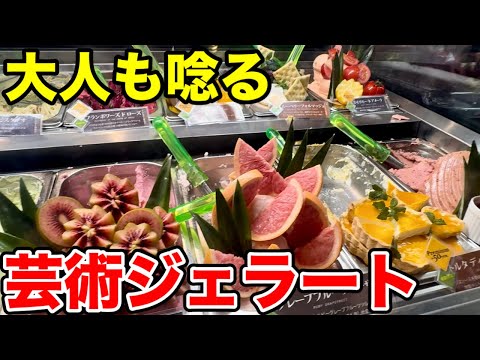
The daily cabinet shifts with season and weather, turning fruit, spirits, Japanese ingredients, and Italian technique into roughly twenty precise, intensely flavored gelati; it is a repeat Tabelog Top 100 selection.
Try Kyoto white miso or black sesame for local character, then pair it with pistachio or seasonal fruit; check the labels if you have dietary restrictions.
Sources checked
Why it is famous
A broad dairy and non-dairy range uses many organic ingredients with clear vegan and allergen labels; Kyoto white miso, shiso, and sesame prove dietary restrictions need not mean fruit sorbet only.
Choose the day's gelato for a walking treat; reserve time for an upstairs parfait if you want the complete experience, as popular items can sell out.
Sources checked
Why it is famous
Hidden in a lane between two arcades, the shop turns milk, chocolate, pistachio, and seasonal produce into gelato, then extends the same craft into architectural original parfaits upstairs.
Start with Noto salt chocolate or milk, then add the day's vegetable, herb, or award-winning flavor; winter closing days may differ.
Sources checked
Why it is famous
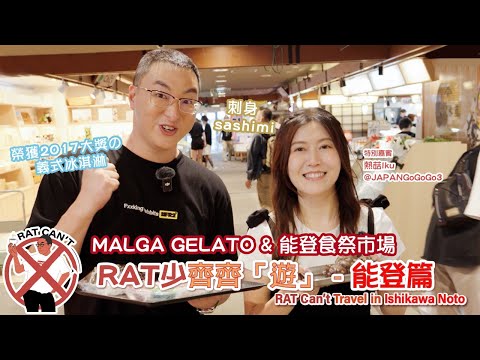
Milk from cows raised in Oku-Noto is layered with flowers, spices, and seasonal produce to create flavors that have won awards in Japan and international gelato competitions.
Check the twelve flavors posted for the day, pair one Shonan or seasonal fruit with fior di latte or pistachio, and eat it promptly.
Sources checked
Why it is famous
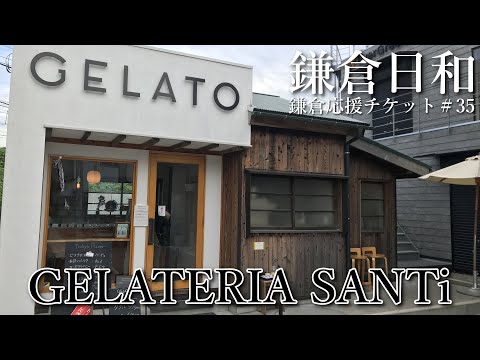
A gelatiere trained in Italy and France hand-makes small batches with Shonan and seasonal ingredients, without artificial flavor, color, or preservatives; the daily cabinet changes with the season.
Ask what was harvested for today's cabinet, then pair one fruit or vegetable scoop with milk; check the mountain shop's opening notice before the drive.
Sources checked
Why it is famous
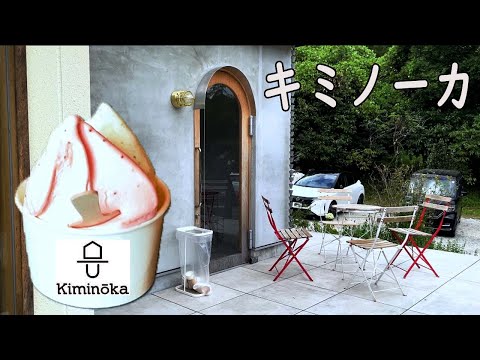
Produce harvested around the Kimino farm goes straight into house gelato, with fruit and unusually expressive vegetable flavors changing alongside the harvest.
Start with yogurt or milk soft serve, then check for strawberry or another seasonal ice; weekends get busy, so confirm transport and hours from Niigata City.
Sources checked
Why it is famous
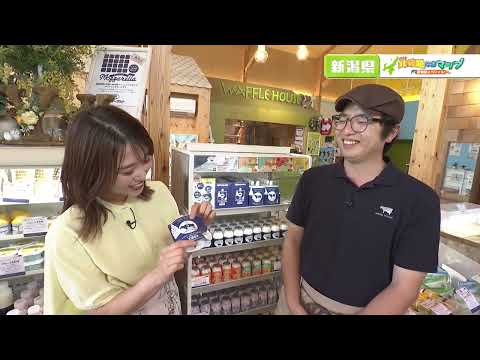
Beside the Yasuda Yogurt factory, this garden-style flagship gathers the brand's yogurt, soft serve, ice cream, waffles, and bakery in one place devoted to Niigata dairy.
Use milk or yogurt as a baseline, then add seasonal local fruit; taste unusual regional flavors such as wasabi before deciding, and note the shorter winter hours.
Sources checked
Why it is famous
Matsubara Farm delivers the morning's fresh milk to the shop each day, where it becomes gelato with seasonal Shizukuishi produce; a farm stand and woodland path extend the stop beyond the cone.
Start with Yamagata milk and add the day's local fruit or less familiar farm flavor; the shop closes in winter, so read the official news before making a special trip.
Sources checked
Why it is famous
Traditional Italian technique meets milk, fruit, and produce sourced from growers across Yamagata. Each flavor is built around the ingredient rather than added aroma, making the cabinet a compact tour of the prefecture's seasons.
Check the Shinshu fruit first, then compare it with pistachio or hazelnut; seasonal flavors and opening days change, so review the official notice before leaving Karuizawa Station.
Sources checked
Why it is famous
A gelatiere trained under Italy's first gelato champion and awarded three times in international competitions makes each batch daily, combining seasonal Shinshu fruit with carefully sourced Italian nuts.
Begin with Jersey milk, then add apple, pumpkin, corn, or another seasonal Aomori flavor; confirm rural transport, temporary closures, and cash payment before traveling.
Sources checked
Why it is famous
Kaneko Farm pasteurizes fresh Jersey milk at a low temperature each morning and makes only the gelato base needed that day. Seasonal Aomori fruit and vegetables give this rural stop a distinct sense of place.
Use farm milk as your baseline and add the day's Shimane fruit or limited flavor; queues form on busy days, so check the latest opening notice before crossing the region.
Sources checked
Why it is famous
Made each morning on Italian machinery, the gelato balances rich dairy with a clean finish while rotating local fruit and regional ingredients through the cabinet, making it a rewarding San'in road-trip stop.
Ask which flavor best represents Shimane that day and pair it with milk or chocolate; the small shop has several weekly closing days, so confirm hours before visiting Iwami Ginzan.
Sources checked
Why it is famous
A confectioner with Germany's master qualification hand-makes craft gelato in the World Heritage town of Iwami Ginzan, turning yuzu, local sake, and even asparagus into an unusually place-specific cabinet beside a German bakery.
Start with Daisen milk and add one seasonal Nambu fruit; winter hours may be reduced or suspended, so read the official notice before making the trip.
Sources checked
Why it is famous
Local fruit and farm produce become fresh gelato for the day in a project rooted in Nambu's agriculture and community. Daisen milk, watermelon, blueberry, and fig let the cabinet follow the San'in harvest.
Begin with the Tosa Jiro vanilla soft serve, then check the day's Kochi-ingredient ice; poor weather can trigger a temporary closure, so review the official notice before following the river.
Sources checked
Why it is famous
Rich vanilla soft serve made with Tosa Jiro eggs anchors a cafe of Kochi ice desserts and gifts overlooking the Niyodo River, making the landscape part of the stop rather than a backdrop.
Choose the day's Setouchi fruit and pair it with milk, matcha, or hojicha; weather affects opening, so check the shop's Google Maps update before crossing to the island.
Sources checked
Why it is famous
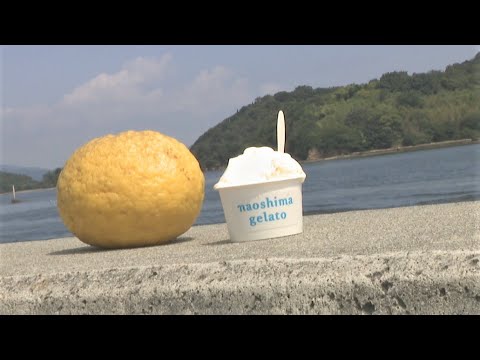
Fresh gelato is made daily with low-temperature pasteurized milk and seasonal Setouchi fruit in a small waterfront shop, where the terrace and island view provide a quiet pause from Naoshima's art circuit.
Pair Setoda lemon or dekopon with Hakata salt and milk for the clearest fruit-and-dairy contrast; seasonal flavors depend on the flagship cabinet that day.
Sources checked
Why it is famous
Setoda lemon, local citrus, and Hakata salt become clean, vivid gelato at one of the Shimanami Kaido's most characteristic refreshment stops, with Seto Inland Sea seating completing the sense of place.
Take Miyako mango or passion fruit when in season, then add sesame-pistachio or milk; fruit and opening days change, so check the official shop page first.
Sources checked
Why it is famous
Since 2009, Italian technique has carried Miyako mango, passion fruit, purple sweet potato, banana, dragon fruit, awamori, and other island crops into gelato that makes its origin easy to taste.
Use pistachio or hazelnut as the nut baseline, then add one seasonal fruit; navigate to the Osaka shop at Kyomachibori 2-6-29.
Sources checked
Why it is famous
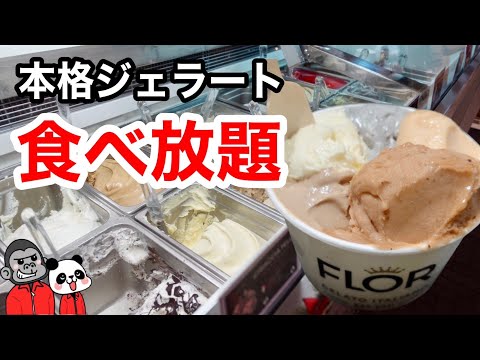
Born in Rome and based beside Utsubo Park, FLOR pairs Italian technique with Japanese ingredients, moving from pistachio and hazelnut to hojicha and peak-season fruit.
Pair Sicilian pistachio with the best fruit of the day and navigate specifically to Nambanaka 2-8-93.
Sources checked
Why it is famous
A gelato maker trained in Italy turns fruit and dairy into focused, restrained flavors; Sicilian pistachio and seasonal fruit reveal two complementary sides of the craft.
Compare two or three contrasting aromas in small amounts. The experience contains alcohol; minors, pregnant guests, and drivers should choose a non-alcoholic option.
Sources checked
Why it is famous
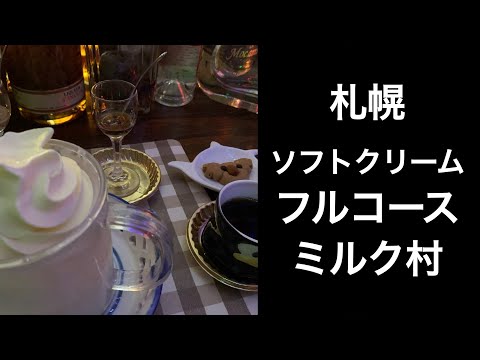
A Sapporo night-dessert ritual: add small drops from different liqueurs to Hokkaido milk soft serve, then finish the set with coffee and biscuits.
Try plain soft serve first and add coffee for bitterness; the storefront is easy to miss, so navigate to ARKCUBE 101.
Sources checked
Why it is famous
This tiny Daimyo coffee stand turns rich soft serve, coffee, and freshly baked waffles into an easy pause between shops without demanding a long sit-down meal.
44
NAGOYA
NagoyaNaka Ward · Higashi Betsuin
Kinako and black-syrup shaved ice in a century-old townhouse
Choose two flavors from today's case, one rich and one refreshing, and specify the AEON Mall Hiroshima Fuchu branch in Maps.
Sources checked
Why it is famous
This local Hiroshima gelateria is known for daily in-shop production and generous servings; the Fuchu branch rotates enough flavors to compare milk, fruit, and tea.
Prioritize Hiroshima fruit or another local ingredient and pair it with milk; check your ferry time before ordering.
Sources checked
Why it is famous
At the gateway to Miyajima, Hiroshima produce and cosmetically imperfect seasonal fruit become gelato, making food-waste reduction taste like a specific place.